Advancing Data Center Power Source Design
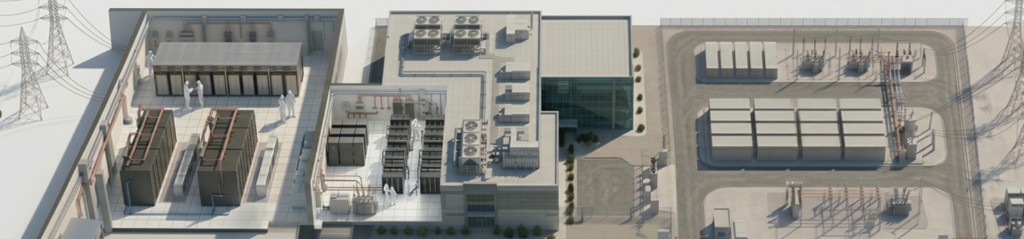
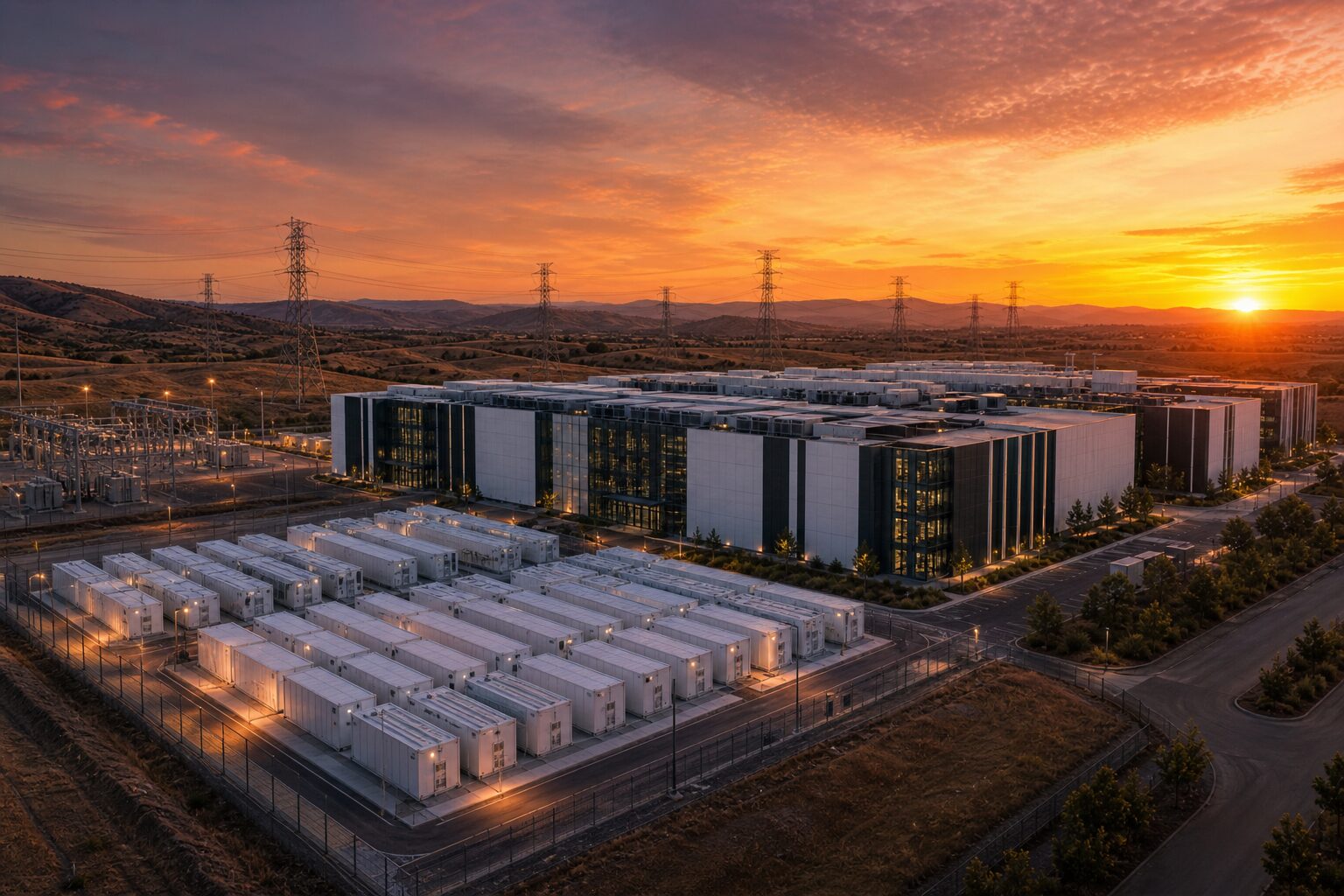
Data center infrastructure is adapting to grid constraints by expanding options to strategically integrate BESS, fossil fuels, and renewable power sources. Within this, 4+ hour BESS plays a core role in supplying overall capacity and enabling seamless integration across diverse generation assets.
While independent power producers (IPPs) and developers are tapping into BESS to support large, long-term power purchase agreements (PPAs), data center developers are increasingly adopting BESS to bridge interconnection delays. Industry forecasts suggest that nearly one-third of U.S. data centers will not wait for grid interconnection timelines, with an estimated 25–33% of incremental data center power demand expected to be met behind-the-meter (BTM) by 2030.
Although gas turbine and BESS pairings are emerging as one of the most widely adopted architectures, the opportunity extends beyond that model. Off-grid solar plus storage, geothermal, nuclear, and other distributed generation approaches are becoming increasingly viable pathways to accelerate deployment while reducing dependence on constrained transmission infrastructure.
25–33%
of incremental data center power demand expected to be met behind-the-meter (BTM) by 2030
Data Center Infrastructure Dilemmas
The energy needs of data centers can create conflicting priorities, such as meeting decarbonization targets while also meeting energy capacity needs as demand scales. Energy BESS is solving the most pressing data center infrastructure dilemmas.
Co-locating medium-to-long duration energy storage (4–8 hours) next to data centers addresses systemic challenges related to grid capacity, decarbonization targets, and operational resilience.
At the same time, BESS can dynamically capture excess midday solar or off-peak wind energy, powering and perfectly matching the 24/7 AI compute workloads with stored, clean energy. This method of combining BESS with wind and solar assets creates a firm “baseload-like” architecture and can open up renewable energy credits as an option for data center owners.
Beyond providing power to the compute racks, a long-duration battery allows a facility to perform bulk load-shaving and energy arbitrage to achieve significant savings. Large-scale BESS arrays at data centers can be recharged for hours when electricity prices are lowest. Centers can then utilize the lower-cost energy during the highest-priced peak hours.
Better BESS
In BESS’s critical energy integration role, not just any battery technology will do. Lithium-ion, the dominant battery technology of the past decade, is not always well aligned with the operational realities and constraints of modern data centers. From fire risk and thermal management complexity to community concerns around safety, next-generation AI infrastructure requires energy storage solutions designed to reduce risk while supporting increasingly dynamic power demands.
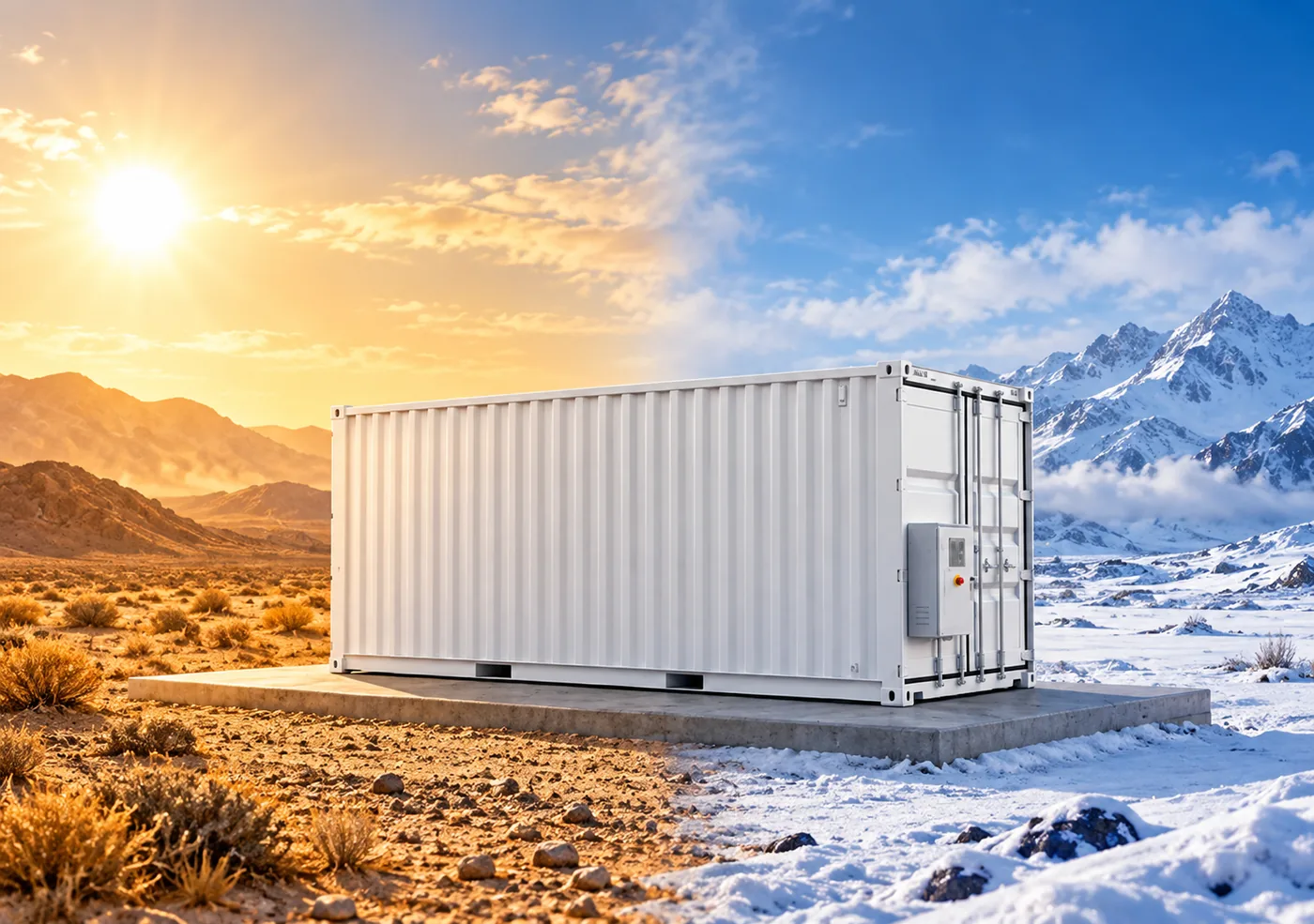
Sodium-ion battery technology offers a compelling alternative: delivering significantly lower fire risk, lower costs, a broader operational temperature range, and more reliable power response.
More specifically, the Na-Series batteries make the case for sodium-ion even more compelling. With 95% round trip efficiency (RTE) and cell level RTE that can exceed 97% in 4+ hour systems, and no HVAC required for cooling, operational costs are significantly lower. Its high cycle life means more than 85% of battery health remains after 20 years. No thermal runaway means easier community acceptance and simplified permitting.
Alsym batteries are both a power and energy battery, offering infinite topologies from one chemistry and providing flexibility to fit any data center architecture.
NFPP+
Alsym Energy’s Na-Series sodium-ion battery line, powered by its proprietary NFPP+ chemistry, was purpose-built for these conditions and is setting a new benchmark for AI data centers. Designed for high-utilization environments, heavy cycling, and long operating life, Na-Series handles millisecond-scale transients and large-scale power swings that characterize AI workloads while supporting more resilient power architectures.
NFPP+ also enables seamless integration with gas turbines, renewable generation, and emerging hybrid power architectures, helping operators bridge grid constraints and build more flexible energy strategies. Its rugged design supports emerging 800VDC architecture without requiring the active cooling systems commonly associated with LFP batteries.
Together, these capabilities position Na-Series to help power a faster, safer, more affordable, and more scalable energy future.
Learn more about the future of sodium-ion at data centers — including how batteries are reshaping AI data center energy infrastructure.